
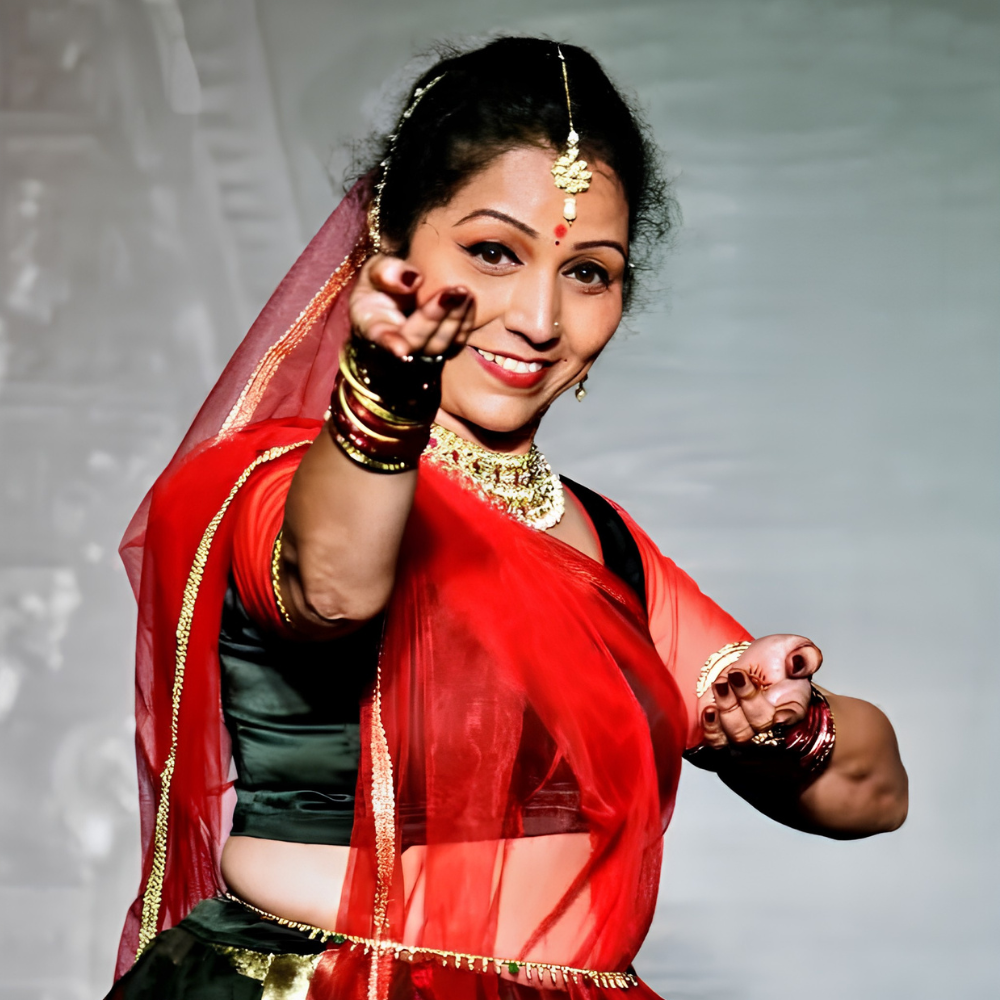
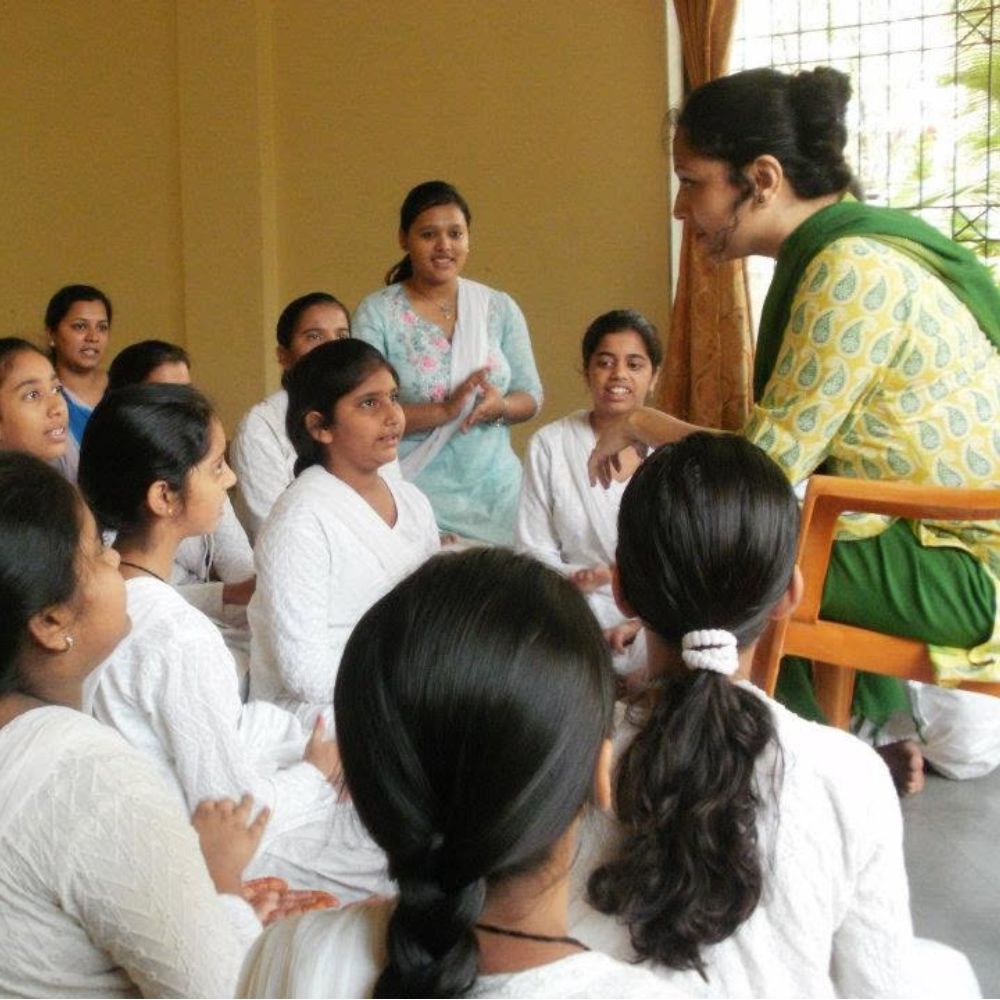
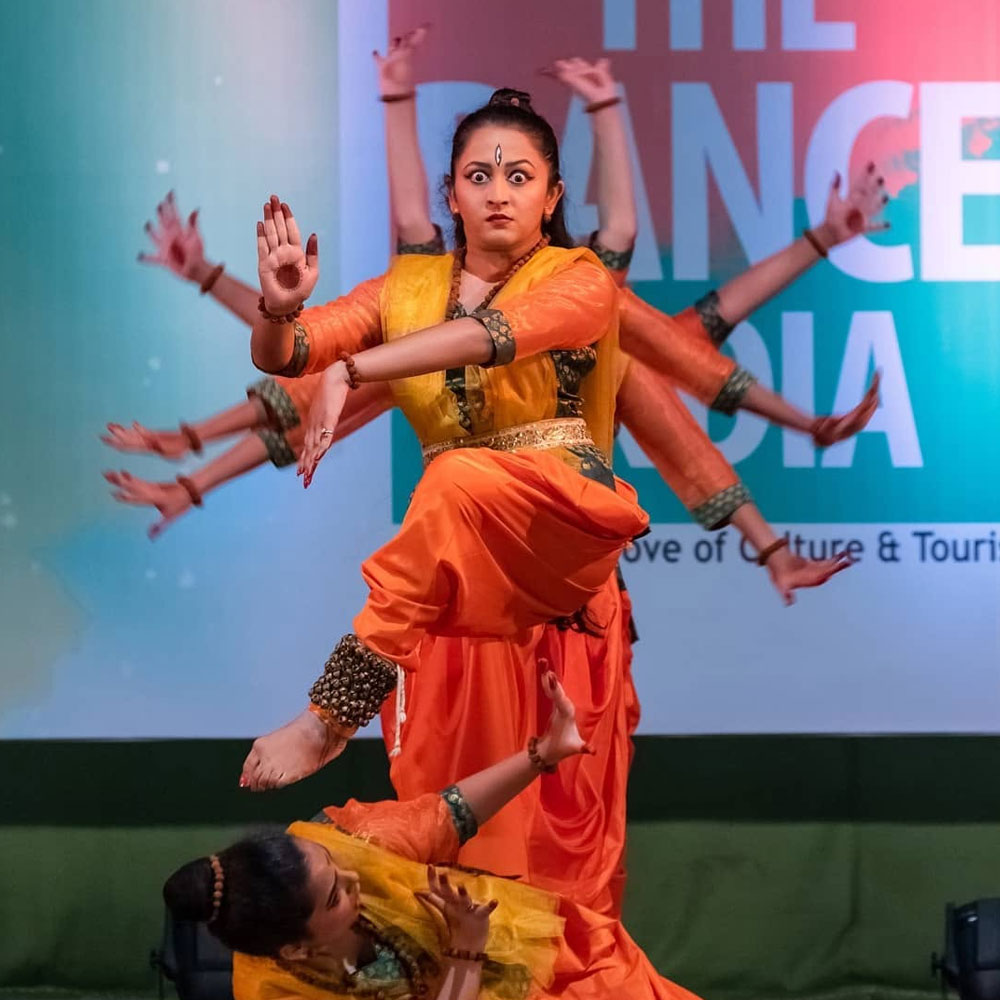
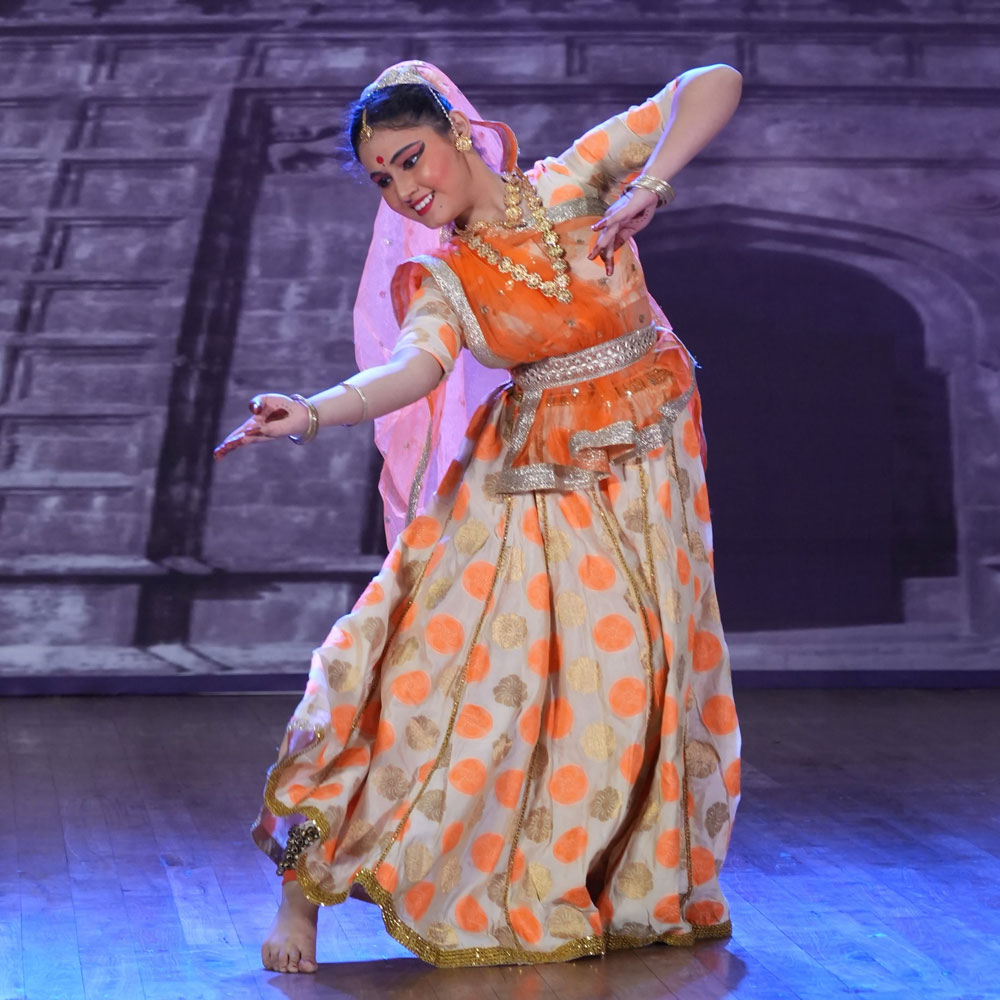
Kalanand is an institution that focuses on imparting the knowledge of Kathak to the new generation in its most purest form. Guru Mrs. Bhavana Lele is the most kind, dedicated and an amazing mentor to all her students. I am Kalanand's first student and have seen the institution grow many folds to ensure its students get the best platform to learn and perform this beautiful art form.

I have been a student at Kalanand Nritya Sanstha since last 5 years. It's been a wonderful experience to learn authentic Kathak under the guidance of extremely talented and dedicated teachers at Kalanand. I feel fortunate to have Mrs Bhavana Leleji as my Guru.
Kalanand is one of the finest dance Academy for Kathak. The Guru at Kalanand is most learned , dedicated and deligent teacher who has blessed several students with her knowledge of the art form. The students of Kalanand are outstanding who have brought several Laurels becos of their Guru.
Kalanand is the best place to learn pure kathak. The way of teaching is very excellent as they focus on each and every detail..its always a positive environment when you're in kalanand..its more like a family❤
Best place to learn authentic kathak dance. Teachers and way of teaching is amazing. You will get a very homely feel. The things taught here are very original, pure and authentic👍👍
the best place where you can learn pure and authentic kathak, i myself am a part of kalanand from past 13 years….there’s positive atmosphere always…not just a dance class but a family. very proud to be part of kalanand💕
Been with this institution for past 13 years and it has been a wonderful experience. The attention to detail in mind blowing and the opportunities provided are innumerable.